Keep Winter Pests Out Before They Reach Your Garage
Winter pest-proofing starts at the garage, where pests often find shelter before trying to move deeper into your home. In Eatontown, Monmouth County, and across Central and Southern New Jersey, dropping temperatures can drive rodents, insects, and wildlife toward spaces protected from wind, rain, freezing weather, and predators.
Attached garages deserve extra attention because they may connect to living areas through shared walls, ceilings, utility lines, or interior doors. Detached garages can still become a nesting spot or food source. When we help customers learn how to pest-proof your home, we focus on finding entry points, removing what attracts pests, and spotting activity early.
Know Which Winter Pests Use New Jersey Garages
Mice and rats are common garage visitors in winter, especially where food, cardboard, insulation, or clutter is easy to access. We also see cockroaches, spiders, pantry pests, and overwintering insects around stored boxes and supplies. Garages near wooded areas may also attract nuisance wildlife looking for a protected place to rest.
Watch for signs that point to an active problem:
- Droppings along walls, shelves, or behind stored items
- Gnaw marks, shredded paper, insulation, or nesting material
- Grease marks near baseboards or along repeated travel paths
- Insect activity around cardboard, pet food, or recycling
- Musty, stale, or unusual odors that do not go away
A garage issue can become a whole-home issue when pests find gaps around pipes, cables, ceilings, or the door leading inside. Early identification gives us a better chance to address the source before activity reaches your basement, attic, kitchen, or living spaces.
Seal the Gaps That Invite Pests Indoors
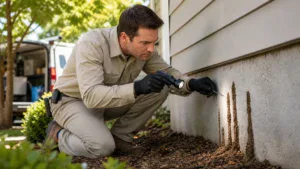
A careful garage inspection should begin around the doors, foundation, and utility openings. Even small gaps can provide access for pests searching for warmth. Pay close attention to worn garage door weatherstripping, damaged door sweeps, cracks near the foundation, openings around pipes and cables, torn screens, vents, soffits, and gaps at the corners of the garage door.
Basic upkeep can reduce opportunities for pests to get inside. Keep exterior doors closed when they are not in use, replace damaged weatherstripping, repair torn screens, and address small visible cracks with materials suited to the surface.
Still, sealing an opening is not always the first step. If you notice fresh droppings, gnawing, nesting, or wildlife damage, we recommend an inspection before an opening is closed. This helps avoid trapping an animal inside the structure and allows us to identify the routes pests are actively using. Our team at Terminator Termite & Pest Management can evaluate likely entry areas and recommend appropriate exclusion improvements.
Remove Food, Water, and Clutter Pests Need
Garages often hold more pest attractants than people realize. Pet food, birdseed, grass seed, trash, open recycling, stored snacks, and cardboard boxes can all give rodents and insects a reason to stay. Sealed, durable containers help limit access to stored food and dry goods.
Moisture matters, too. Check around water heaters, appliances, walls, and plumbing for leaks or damp areas. Snow-covered tools, boots, and outdoor items can leave standing water as they melt. Proper drainage around the garage foundation also helps reduce damp conditions near the building.
To reduce hiding places, we suggest keeping storage organized and easy to inspect:
- Choose plastic totes instead of cardboard when possible
- Elevate stored items off the floor
- Leave a little space between storage and garage walls
- Review seasonal decorations and rarely used boxes regularly
- Remove unneeded clutter before winter sets in
These habits support how to pest-proof your home by making the garage less comfortable for pests before they find a path indoors.
Know When a Garage Problem Needs Professional Help
Cleanup and maintenance can help, but repeated pest evidence may point to a larger issue. Fresh rodent droppings, visible nesting, new gnaw marks, recurring cockroach activity, wildlife damage, unexplained odors, or activity that continues after basic prevention steps all deserve professional attention.
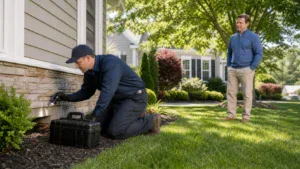
During a garage inspection, we look for pest evidence, likely entry points, and conditions that support ongoing activity. We also inspect nearby exterior areas that may be giving pests easy access to the structure. From there, we can recommend a plan based on what is actually happening, which may include targeted pest control, rodent measures, exclusion work, monitoring, or follow-up service.
Schedule a Winter Garage Inspection Before Pests Spread
Late fall and early winter are smart times to look closely at your garage because pests are actively searching for sheltered spaces. A prompt inspection can help identify trouble before it spreads into the rest of the house.
We provide practical local guidance for homeowners throughout Eatontown and the broader Mercer, Middlesex, Monmouth, Ocean, and Somerset County service area. If signs in your garage are unclear, treat them as an early warning, not something to ignore until spring.
Protect Your Garage Before Pests Settle In
For practical guidance on how to pest-proof your home, our team can help you prioritize the steps that make the biggest difference. Terminator Termite & Pest Management provides thorough inspections and targeted solutions for pest concerns around garages and the rest of your property. If you have noticed activity or want professional recommendations, contact us to schedule an evaluation.