A Clear Plan for Ant-Free Living
Ants in the kitchen, bathroom, basement, garage, or along the outside foundation can be frustrating, especially when they keep showing up after you clean. A few visible ants may mean there is a larger colony nearby, with workers traveling indoors for food, water, or shelter. The good news is that professional ant control focuses on finding the source of the activity, not simply treating the ants you can see.
At Terminator Termite & Pest Management, we have served Eatontown, Monmouth County, and Central and Southern New Jersey as a family-owned company since 1988. When you work with an ant exterminator in New Jersey, you should expect a clear inspection, a treatment plan based on what is happening at your home, and practical guidance to help reduce future activity.
Late fall can bring new ant concerns indoors. As temperatures cool across Mercer, Middlesex, Monmouth, Ocean, and Somerset counties, ants may move closer to heated buildings and protected spaces. They can travel through wall voids, utility openings, cracks near doors, and gaps around windows. In some cases, ants seen in November are from a colony that became established earlier in the year.
Even tidy homes can have ant activity. Ants are persistent foragers, and small food or moisture sources can be enough to keep a trail going. We often look for conditions such as:
- Crumbs, sticky spills, or open pantry items
- Pet food left out for long periods
- Moisture under sinks or near plumbing leaks
- Gaps around windows, doors, and utility lines
- Damp areas near foundations, basements, or garages
A single ant may not always require immediate service. Recurring trails, activity in several rooms, ants around damp wood, or large ants that could be carpenter ants are good reasons to have the situation evaluated. Repeated store-bought sprays may knock down visible ants, but they can leave the colony active somewhere out of sight.
What a Professional Ant Inspection Reveals
A careful inspection comes before treatment. Rather than applying the same product in every home, we begin by asking where you have seen ants, when the activity began, whether you have noticed trails, and which rooms seem most affected. Those details help us narrow down likely nesting areas and travel routes.
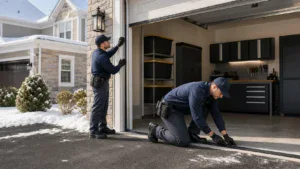
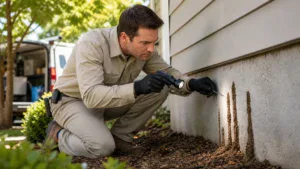
During an inspection, we may check plumbing areas in kitchens and bathrooms, basements, crawl spaces, garages, window frames, door thresholds, and foundation edges. Outside, we may inspect utility entry points and nearby landscaping that could give ants an easy route toward the structure.
If carpenter ants are a concern, our attention may turn to moisture-damaged wood, leaks, damp structural areas, and hidden voids around the home. Carpenter ants are not simply a nuisance to ignore, particularly when moisture problems may be involved. Identifying the ant correctly helps us choose a plan that matches its nesting and foraging habits.
You should leave an inspection knowing what we found, where ants may be getting in, and why we recommend the next steps. Clear answers matter. Pest control should feel practical and understandable, not alarming or confusing.
How Targeted Treatment Stops the Colony
Once we understand the activity, treatment can be tailored to the ant species and the location of the colony. Some colonies are outdoors but sending workers inside. Others may be closer to the home, in voids, damp areas, or protected spaces around the structure.
Depending on the findings, our treatment plan may include:
- Targeted baiting designed for the ants’ foraging habits
- Crack-and-crevice applications in identified activity areas
- Exterior perimeter treatment near likely entry points
- Recommendations to correct moisture conditions
- Guidance on sealing access points after activity is addressed
Ant control is not always instant, and that is normal. Baits may be carried back by foraging ants, which means you could notice activity for a short time before the colony begins to decline. We explain what to watch for, how long the process may take, and whether follow-up service is appropriate for the conditions at your home.
Preparation is usually straightforward. We may ask you to clear access beneath sinks, store food properly, move pet bowls for a period of time, or avoid cleaning specific treated areas until we advise otherwise. Before service begins, we explain where treatments will be placed and answer questions about pets, children, and normal household routines.
Simple Steps That Help Prevent Ant Returns
Professional treatment works best alongside small changes that make your home less inviting to foraging ants. Food and moisture are common reasons ants continue to search indoors, so everyday housekeeping can make a real difference between visits.
Start by keeping food in sealed containers, wiping counters and floors, rinsing recyclables, and cleaning sticky residue near trash cans and storage shelves. If possible, avoid leaving pet food out overnight. These habits do not replace professional ant treatment, but they reduce easy food sources that can keep trails active.
Moisture control is just as important. We recommend watching for dripping pipes, condensation around plumbing, water intrusion near basement walls, and gutters that are not directing water away as intended. Damp conditions can attract ants and may support the conditions associated with carpenter ant activity.
Outside maintenance can also limit access to the structure. Weatherstripping doors, repairing damaged screens, sealing gaps around utility lines, and keeping stored materials from resting directly against the home can all help. Branches and heavy mulch touching the building may also create convenient pathways for ants.
When Persistent Ant Activity Needs Attention
After treatment, continue watching for trails and note where activity appears. A prompt update about recurring ants, new activity in another room, or ants near damp wood helps us assess whether the original pattern has changed. Early attention can keep a small concern from spreading through more areas of the home.
The goal of professional ant control is bigger than removing the ants in sight. It is about identifying likely colony activity, reducing the food, moisture, and access conditions that support it, and following a sensible plan until the home is back to normal.
Get a Clear Plan for Ant Control
If ants are continuing to show up indoors, our team can help you determine the next practical step. Learn what to expect from an ant exterminator in New Jersey and how our approach can address activity around your home. Terminator Termite & Pest Management will explain the findings clearly and recommend treatment based on your situation. Contact us to schedule an inspection.