Weather is one of the biggest factors influencing how weather in New Jersey impacts ant activity throughout the year. Changes in temperature, rainfall, humidity, and seasonal weather patterns directly affect where ants build their colonies, how they search for food, and when they move indoors. Understanding these seasonal behaviors can help homeowners and business owners recognize early warning signs, reduce conditions that attract ants, and prevent infestations before they become established.
Throughout Mercer County, Middlesex County, Monmouth County, Ocean County, and Somerset County, ants remain active much longer than many people realize. While activity typically increases during the spring and summer, colonies often continue thriving throughout the fall and even winter when they find warm, protected areas inside homes and commercial buildings. As outdoor conditions become too wet, too dry, too hot, or too cold, ants simply relocate to environments that provide moisture, food, and shelter.
Several species contribute to ant activity in New Jersey, including carpenter ants, odorous house ants, pavement ants, little black ants, and acrobat ants. Each responds differently to changing weather conditions, making proper identification essential for successful New Jersey ant control. Simply eliminating the ants you see rarely solves the problem because the colony often remains hidden behind walls, beneath foundations, under landscaping, or inside moisture-damaged wood.
Learning how weather affects ants in NJ also explains why infestations often seem to appear overnight. Heavy rain may flood underground colonies, forcing thousands of worker ants indoors. Extended dry periods frequently send ants searching for water inside kitchens, bathrooms, and basements, while warming spring temperatures encourage colonies to expand rapidly. These changing environmental conditions make ant prevention New Jersey homeowners can rely on a year-round effort rather than a one-time treatment.
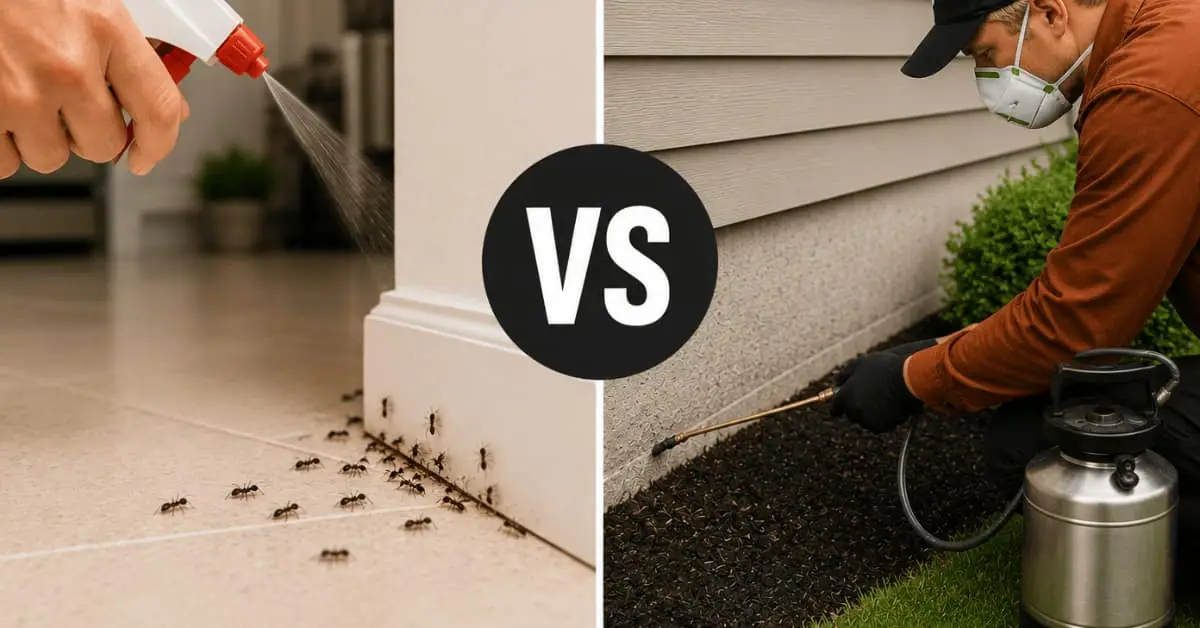
If you’ve already noticed ants inside your home, weather may be only one part of the problem. Colony size, food availability, moisture, structural conditions, and the species involved all influence the severity of an infestation. As you learn how weather in New Jersey impacts ant activity, you may also find our guides Why Ants Keep Coming Back, Common Types of Ants in New Jersey Homes, DIY Ant Control vs. Professional Ant Extermination in NJ and Carpenter Ant Damage vs. Termite Damage helpful for understanding why infestations develop and how professional Ant Control provides long-term protection.
Why Weather Has Such a Major Impact on Ant Activity
To understand how weather in New Jersey impacts ant activity, it helps to understand how ant colonies survive. Unlike insects that become inactive for long periods, ants constantly respond to changes in their environment. Soil moisture, humidity, temperature, food availability, and nesting conditions all influence where a colony develops and how aggressively workers search for new resources.
Warm temperatures generally increase colony activity and encourage ants to travel farther from their nest in search of food. Heavy rainfall can saturate the soil and flood underground colonies, which is one of the main reasons homeowners ask why are ants more active after rain in New Jersey. When nests become flooded, worker ants immediately begin relocating the colony to higher, drier locations, often finding easy access into homes through foundation cracks, utility penetrations, garages, crawl spaces, and basements.
Hot, dry weather creates a different challenge. During periods of drought, ants often lose reliable outdoor water sources and begin searching indoors for moisture. This explains why ants come inside during hot weather, particularly around kitchens, bathrooms, laundry rooms, pet water bowls, plumbing fixtures, and condensation around HVAC equipment. These seasonal changes are one of the primary reasons pest control for ants should focus on both eliminating colonies and reducing conditions that continue attracting them.
Because every species reacts differently, successful New Jersey ant control begins with accurate identification rather than simply treating visible ants. For example, carpenter ants are strongly attracted to moisture-damaged wood after extended rainfall, while pavement ants often become more noticeable after storms force them out of saturated soil. If you’re unsure whether large ants are carpenter ants or termites, our guide to Carpenter Ant Damage vs. Termite Damage explains the differences and the potential risks each pest presents.
Understanding seasonal ant activity in New Jersey also helps homeowners recognize that weather is only one piece of the puzzle. Landscaping, drainage problems, overgrown vegetation, food availability, structural gaps, and moisture intrusion all influence whether ants remain outside or establish colonies inside your property. Professional Residential Pest Control programs evaluate each of these contributing factors to develop a treatment plan that delivers longer-lasting protection instead of temporary relief.
Spring Weather Triggers Increased Ant Activity in New Jersey
As winter gives way to warmer temperatures, spring is typically when ant activity in New Jersey begins increasing significantly. Rising soil temperatures, longer daylight hours, and frequent rainfall create ideal conditions for colonies that have remained relatively dormant throughout the colder months. This seasonal transition is one of the primary reasons homeowners begin asking when are ants most active in New Jersey, and for most species, the answer starts in early spring.
Understanding how weather in New Jersey impacts ant activity during the spring months can help homeowners recognize potential problems before they develop into full-scale infestations. While ants may have remained hidden throughout the winter, warmer weather signals colonies to resume foraging, expand existing nests, and establish new satellite colonies closer to dependable food and water sources.
Spring rainfall also plays an important role in seasonal ant activity in New Jersey. Moist soil creates favorable conditions for many ant species, while excessive rainfall can force colonies to relocate when underground nests become saturated. As worker ants search for drier nesting areas, homeowners often notice increased indoor activity shortly after storms, particularly in kitchens, bathrooms, basements, garages, and crawl spaces.
Warmer Soil Temperatures Wake Up Ant Colonies
As soil temperatures begin rising during March, April, and May, worker ants become increasingly active. Their primary objective is to locate food, water, and nesting sites capable of supporting a growing colony throughout the warmer months. Queens also become more active during this period, increasing egg production as colonies prepare for rapid expansion.
This natural increase in activity explains why ant activity in New Jersey often appears to spike almost overnight once consistently warm temperatures arrive. In reality, colonies have remained nearby throughout the winter but simply become much more visible as weather conditions improve.
Spring often marks the beginning of annual ant problems as warming temperatures encourage colonies to expand and increase their search for food and water. Homes surrounded by mature trees, heavy mulch, landscape beds, stone retaining walls, and dense vegetation frequently experience increased foraging activity because these environments provide moisture, shelter, and easy access to nearby structures.
Spring Rainfall Often Pushes Ants Indoors
While moderate moisture benefits many ant colonies, excessive rainfall creates an entirely different challenge. Flooded nests force thousands of worker ants to relocate quickly, increasing the likelihood of indoor infestations. This is exactly how weather affects ants in NJ during one of the busiest times of the year for pest professionals.
After heavy rain, ants commonly enter buildings through:
- Small foundation cracks
- Utility and plumbing penetrations
- Door thresholds
- Window gaps
- Expansion joints
- Crawl space openings
Once inside, worker ants begin searching for food and moisture while establishing new foraging trails that other colony members will follow. Because many of these entry points are barely visible, homeowners often assume the infestation originated inside the home when the colony actually began outdoors.
If ants continue returning after repeated cleaning or over-the-counter treatments, it’s often a sign that the colony itself has not been eliminated. Treating only the visible worker ants rarely solves the problem because thousands of additional ants, including the queen, typically remain hidden within the nest. Effective pest control for ants focuses on locating and eliminating the entire colony while addressing the conditions that continue attracting ants to the property.
Carpenter Ants Become More Noticeable During Spring
Spring also marks one of the busiest times of year for carpenter ants. Increased rainfall raises moisture levels in wood around roofs, decks, window frames, siding, fences, and crawl spaces, creating attractive nesting locations for colonies looking to expand.
Unlike termites, carpenter ants do not consume wood for food. Instead, they excavate damp or deteriorating wood to build smooth nesting galleries. As colonies become larger during the spring, homeowners are much more likely to notice large black ants traveling along foundations, decks, tree limbs, and exterior walls.

Because carpenter ants are frequently confused with termites, proper identification is critical before treatment begins. Although these pests can appear similar at first glance, they behave very differently and require different treatment strategies. Correct identification helps ensure homeowners receive the most effective New Jersey ant control solution while avoiding unnecessary damage and recurring infestations.
Early Spring Is the Best Time to Prevent Larger Infestations
Many homeowners wait until they see long trails of ants before taking action. Unfortunately, by the time ants become highly visible indoors, the colony has often been established for weeks or even months. One of the biggest advantages of understanding how weather in New Jersey impacts ant activity throughout the spring season is recognizing that early treatment offers the best opportunity to stop colonies before they reach peak population levels.
Professional New Jersey ant control during the spring focuses on identifying nesting locations, treating active colonies, and reducing the environmental conditions that encourage future infestations. Combined with routine property maintenance, inspections performed when ants are most active in New Jersey help eliminate colonies before they continue expanding during the warmer months. This proactive approach reduces the likelihood of widespread infestations, minimizes the need for more extensive treatments later in the season, and provides longer-lasting protection for homes and businesses.
For long-term protection, professional Ant Control targets the entire colony rather than simply eliminating the worker ants you see indoors. As spring storms become more frequent, changing weather conditions continue influencing where colonies relocate and how they gain access to homes and businesses.
Why Heavy Rain Sends Ants Indoors
One of the most common questions homeowners ask is, “Why are ants more active after rain in New Jersey?” While rainfall is essential for many outdoor ecosystems, excessive precipitation can significantly disrupt ant colonies. Understanding how weather in New Jersey impacts ant activity after heavy rain helps explain why ants often appear inside homes shortly after storms pass. Rather than creating new infestations, rain typically forces existing colonies to relocate in search of dry, protected environments.
Most ant species build their nests beneath the soil, under mulch, beneath landscape stones, along sidewalks, or near building foundations. When prolonged rainfall saturates the ground, these underground tunnels can quickly fill with water. To protect their queen, larvae, and food reserves, worker ants immediately begin moving the colony to higher ground. Homes and commercial buildings often provide the closest dry shelter, making indoor invasions much more common after periods of wet weather.
This is one of the primary reasons ant activity in New Jersey often increases following spring thunderstorms, extended rainy periods, or remnants of tropical systems that bring significant rainfall across the region. Many homeowners notice ants indoors within a day or two of heavy rain, even if they have never experienced an infestation before.
Do Ants Come Inside When It Rains?
The simple answer is yes. Do ants come inside when it rains? In many cases, they do. Rain itself does not attract ants indoors, but saturated soil removes the dry nesting conditions they need to survive. As colonies relocate, worker ants begin searching for new nesting sites and dependable food and water sources, often entering structures through tiny openings that would otherwise go unnoticed.
Common entry points include:
- Foundation cracks
- Gaps around doors and windows
- Plumbing and utility penetrations
- Crawl space vents
- Garage door seals
- Expansion joints in concrete
Once a few worker ants locate food or moisture, they leave behind pheromone trails that guide the rest of the colony to the same location. This is why what begins as only a handful of ants can quickly develop into a noticeable infestation over the following days.
Moisture Around the Home Creates Ideal Conditions
Heavy rainfall does more than flood underground nests. It also creates favorable conditions around the exterior of a property that encourage continued foraging activity. Standing water, saturated mulch, clogged gutters, leaking downspouts, and excessive vegetation all retain moisture that attracts ants long after the rain has stopped.
Moisture can also soften or damage wood around decks, window frames, siding, fences, and rooflines. This is particularly attractive to carpenter ants, which prefer damp or deteriorating wood for nesting. While they do not consume wood like termites, carpenter ants can expand their galleries over time if moisture problems are left uncorrected.
Reducing these moisture sources is an important part of ant prevention New Jersey homeowners can implement alongside professional treatments. Correcting drainage problems, repairing leaks, and improving ventilation around crawl spaces and basements can make a property far less attractive to future colonies.
Why DIY Treatments Often Fail After Rain
Many homeowners respond to increased indoor activity by spraying the ants they can see. While this may eliminate individual worker ants, it rarely addresses the source of the infestation. In many cases, the colony remains active outdoors or hidden within structural voids, continuing to send new workers inside.
This is why pest control for ants should focus on identifying nesting locations and eliminating the colony rather than treating only visible insects. Professional treatments address the source of the infestation, helping eliminate the colony while reducing the conditions that allow ants to return after periods of heavy rainfall.
Effective New Jersey ant control also includes identifying moisture conditions that develop after heavy rainfall and recommending corrective measures that help prevent recurring infestations.
By combining targeted treatments with practical exclusion and moisture management strategies, homeowners can significantly reduce future problems caused by changing weather patterns.
Understanding how weather in New Jersey impacts ant activity helps homeowners take preventative action before colonies become firmly established indoors. The sooner weather-related ant activity is addressed, the easier it is to eliminate existing colonies, reduce the likelihood of repeated infestations, and improve the effectiveness of long-term New Jersey ant control throughout the year.
Summer Heat and Dry Weather Drive Ants Indoors
As spring transitions into summer, changing weather patterns continue influencing how weather in New Jersey impacts ant activity. Unlike the heavy rainfall common during the spring, prolonged periods of hot, dry weather create a different set of challenges for ant colonies. As natural water sources disappear and the ground becomes increasingly dry, many ant species begin searching for moisture wherever they can find it. This is one of the primary reasons homeowners begin asking why ants come inside during hot weather as summer temperatures continue to climb.
Although ants continue foraging outdoors throughout the summer, extreme heat frequently changes where they search for food and water. Lawns, landscape beds, wooded areas, and mulch can dry out quickly during extended periods without rain, reducing the moisture colonies depend on for survival. Rather than remaining in these harsh conditions, worker ants often expand their search into nearby homes and commercial buildings where water is readily available.
Why Hot Weather Increases Indoor Ant Activity
One of the biggest misconceptions about ant activity in New Jersey is that ants invade homes because they prefer living indoors. In reality, most colonies remain outside whenever environmental conditions allow. During periods of excessive heat or drought, however, homes provide everything a colony needs to survive, including reliable moisture, stable temperatures, and consistent food sources.
Worker ants commonly search for water around:
- Kitchen sinks and countertops
- Bathroom fixtures
- Laundry rooms
- Pet water bowls
- HVAC condensation
- Plumbing leaks
Even small amounts of moisture can support thousands of worker ants once a foraging trail has been established. This is why homeowners often notice only a few ants initially before activity gradually increases over the following days.
Drought Conditions Can Expand Foraging Areas
Extended dry weather doesn’t necessarily increase the number of ant colonies, but it often causes existing colonies to expand their foraging territory. Instead of remaining close to the nest, worker ants may travel much farther in search of water and food, increasing the likelihood they’ll encounter homes and businesses.
This is another example of how weather affects ants in NJ throughout the summer months. Colonies that remained unnoticed during the spring may suddenly become highly visible simply because changing environmental conditions have altered their normal foraging patterns. Even properties that have never experienced previous ant problems can see increased activity during particularly hot or dry summers.
Maintaining irrigation systems, repairing plumbing leaks, correcting drainage issues, and eliminating unnecessary moisture sources around the home can help reduce conditions that encourage ants to remain nearby. Although these maintenance practices won’t eliminate an established colony, they can make a property less attractive to foraging ants during extended periods of hot, dry weather.

Summer Is Also Peak Colony Growth Season
Warm temperatures do more than increase foraging activity—they also allow colonies to continue expanding. Throughout the summer, queens remain highly productive while worker ants continually gather food to support developing larvae. Larger colonies require greater amounts of food and water, increasing the distance workers travel and making indoor encounters more likely.
This continued colony growth is one reason New Jersey ant control becomes increasingly important during the summer months. Waiting until hundreds of ants become visible indoors often allows the colony additional time to grow, making treatment more difficult than if the infestation had been addressed earlier in the season.
Property owners can help reduce ant prevention New Jersey concerns during hot weather by correcting plumbing leaks, sealing foundation gaps, trimming vegetation away from structures, storing food in airtight containers, and keeping kitchens free of crumbs and standing water.
Fall Weather Doesn’t Mean Ant Season Is Over
Many homeowners assume ant problems disappear once temperatures begin cooling in the fall. In reality, ant activity in New Jersey often continues well into autumn as colonies prepare for the colder months ahead. While outdoor temperatures become more comfortable, ants remain focused on survival by gathering food, protecting their queen, and locating sheltered areas where the colony can overwinter.
Understanding how weather in New Jersey impacts ant activity during the fall helps explain why ants may continue appearing inside homes even after the hottest days of summer have passed. Instead of searching primarily for water, many colonies shift their focus toward dependable food sources and protected nesting locations that offer stable temperatures throughout the winter.
Cooler Temperatures Change Ant Behavior
As daytime temperatures begin dropping and nighttime temperatures become cooler, many ant species reduce their activity above ground. This doesn’t mean the colony has disappeared. Instead, worker ants often become more selective about where they forage, concentrating their efforts around reliable food sources while preparing the colony for colder weather.
This seasonal change is another example of how weather affects ants in NJ. Rather than expanding their search because of drought, colonies begin conserving energy while continuing to take advantage of favorable weather whenever temperatures remain mild. During warmer fall afternoons, homeowners may still notice ants along foundations, patios, sidewalks, or inside kitchens and pantries before activity slows again as temperatures drop overnight.
Homes Become More Attractive During the Fall
As outdoor conditions become less predictable, homes and businesses provide consistent shelter from changing weather. Small foundation cracks, gaps around utility penetrations, damaged weatherstripping, and other structural openings continue providing access to indoor food sources and protected nesting areas.
Unlike summer, when colonies are often driven by the search for moisture, fall activity is frequently associated with finding dependable shelter before winter arrives. Colonies that successfully establish themselves inside wall voids, crawl spaces, basements, or other protected areas are better able to survive periods of freezing weather while remaining close to available food sources.
Fall Is an Ideal Time for Prevention
Autumn is one of the best opportunities to reduce future infestations before winter begins. Sealing foundation cracks, repairing damaged weatherstripping, trimming vegetation away from the structure, and removing outdoor debris can help reduce potential entry points before ants begin seeking protected overwintering locations.
Routine inspections during the fall can also identify conditions that encourage recurring infestations, including moisture problems, deteriorating wood, foundation gaps, or landscaping that provides direct access to the structure. Addressing these issues before winter helps reduce the likelihood of indoor ant activity continuing into the colder months.
Effective New Jersey ant control during the fall focuses on eliminating active colonies while reducing the conditions that encourage ants to remain on or around the property. Taking preventative measures before winter arrives often makes seasonal pest management more effective and helps reduce recurring infestations when temperatures begin warming again in the spring.
Winter Ant Activity Continues Inside Heated Homes and Businesses
Many people believe freezing temperatures eliminate ant problems until spring returns. In reality, how weather in New Jersey impacts ant activity during the winter is often misunderstood. While outdoor activity decreases significantly as temperatures fall below freezing, established colonies can remain active inside heated homes and commercial buildings throughout the winter months. This is why finding ants indoors in January or February should never be ignored.
Unlike the increased foraging activity seen during spring and summer, winter ant activity is typically concentrated within protected areas where temperatures remain stable. Colonies that have already established themselves inside wall voids, crawl spaces, attics, basements, or beneath concrete slabs can continue surviving with little interruption. Heated structures provide protection from freezing temperatures while offering access to food and water, allowing colonies to remain active even when outdoor conditions are unfavorable.
Why Ants May Still Appear During the Winter
Winter doesn’t eliminate ant colonies—it simply changes their behavior. Worker ants generally reduce their activity outdoors, but indoor colonies continue searching for food and moisture whenever conditions allow. Homeowners may notice occasional ants in kitchens, bathrooms, laundry rooms, or utility areas, particularly during periods of milder winter weather when temperatures temporarily rise.
This is another example of how weather affects ants in NJ. Fluctuating winter temperatures can briefly increase ant movement, especially when several warmer days occur between cold fronts. Although these infestations may appear minor, visible worker ants often indicate that a much larger colony remains hidden somewhere within or around the structure.
Indoor Conditions Support Year-Round Colonies
Modern homes provide many of the resources ants need to survive throughout the winter. Heated living spaces, accessible food sources, plumbing systems, and protected nesting areas create an environment where colonies can remain active regardless of outdoor temperatures.
Common conditions that support winter ant activity include:
- Heated wall voids and crawl spaces
- Plumbing leaks and excess moisture
- Accessible food stored in kitchens and pantries
- Foundation cracks and structural gaps that remain open year-round
These conditions allow colonies to survive the winter and resume rapid expansion once spring temperatures begin warming again.
Winter Is an Excellent Time to Address Existing Colonies
Because outdoor ant activity is generally reduced, winter can be an ideal time to identify and eliminate colonies already established inside a structure. Instead of waiting until ant activity in New Jersey increases again during the spring, homeowners can address infestations while colony movement is more localized and easier to evaluate.
Professional New Jersey ant control during the winter focuses on locating active nests, identifying entry points, and eliminating colonies before warmer weather encourages renewed foraging activity. Taking action during the winter months also reduces the likelihood of larger infestations developing as seasonal weather patterns begin changing again.
By understanding how weather in New Jersey impacts ant activity throughout every season—not just during the warmer months—homeowners can take a proactive approach to protecting their property. Addressing ant problems during the winter often makes year-round pest management more effective, reduces the likelihood of larger infestations developing in the spring, and supports long-term New Jersey ant control.
How Weather in New Jersey Impacts Ant Activity Frequently Asked Questions
Does weather affect all ant species in New Jersey the same way?
No. Different ant species respond differently to changing weather conditions. Some species become more active after heavy rainfall, while others are more likely to seek shelter during periods of drought or colder temperatures. Proper identification helps determine the most effective New Jersey ant control strategy for the species present.
Why do ants suddenly appear inside my home after the weather changes?
Rapid changes in weather can disrupt normal ant behavior and force colonies to adjust where they forage or nest. Heavy rain, extended heat, sudden cold fronts, and fluctuating temperatures may all cause ants to search for more favorable conditions, increasing the likelihood of indoor activity.
Can weather changes cause the same ant problem to return every year?
Yes. If the conditions that attract ants remain unchanged, seasonal weather patterns can trigger recurring infestations. Moisture problems, structural entry points, nearby landscaping, and established outdoor colonies may all contribute to ants returning during the same time each year.
Is there a best time of year to schedule professional ant control?
Professional ant control can be effective year-round, but many property owners benefit from inspections before seasonal ant activity reaches its peak. Identifying and treating colonies early often helps reduce larger infestations that may develop as weather conditions change throughout the year.
Can extreme weather increase ant activity around commercial properties?
Yes. Restaurants, offices, warehouses, healthcare facilities, schools, and other commercial buildings can all experience increased ant activity following periods of heavy rain, prolonged heat, or seasonal weather changes. Regular inspections and proactive pest management help reduce disruptions and protect businesses throughout the year.
How can I reduce weather-related ant activity around my home?
Simple maintenance practices such as repairing plumbing leaks, improving drainage, sealing exterior entry points, trimming vegetation away from the structure, storing food properly, and eliminating standing water can make your property less attractive to ants. Combining these measures with professional New Jersey ant control provides the most effective long-term protection.
Protect Your Home with Professional New Jersey Ant Control
Weather conditions change throughout the year, and ant colonies adapt right along with them. From warming spring temperatures and heavy rainfall to summer drought, cooler fall weather, and heated winter structures, understanding how weather in New Jersey impacts ant activity helps homeowners and business owners recognize problems before they become major infestations. While preventative maintenance can reduce conditions that attract ants, established colonies often require professional treatment to eliminate the source of the problem and prevent recurring activity. Homeowners looking for additional information about integrated pest management and common household pests can also visit the Rutgers New Jersey Agricultural Experiment Station.
If you’re experiencing seasonal ant activity in New Jersey or have noticed ants returning year after year, the experienced team at Terminator Termite & Pest Management is here to help. We provide effective New Jersey ant control for residential and commercial properties throughout Mercer County, Middlesex County, Monmouth County, Ocean County, and Somerset County, using proven treatment methods tailored to the ant species, level of infestation, and conditions around your property.
Contact Terminator Termite & Pest Management today to schedule a professional inspection and learn how our customized Ant Control services can help protect your home or business from weather-related ant infestations throughout every season.